Episode Transcript
Speaker 0 00:00:00 Welcome to symbiosis to be happening podcast season two, just so you know, you can visit us for more at www symbiosis com.
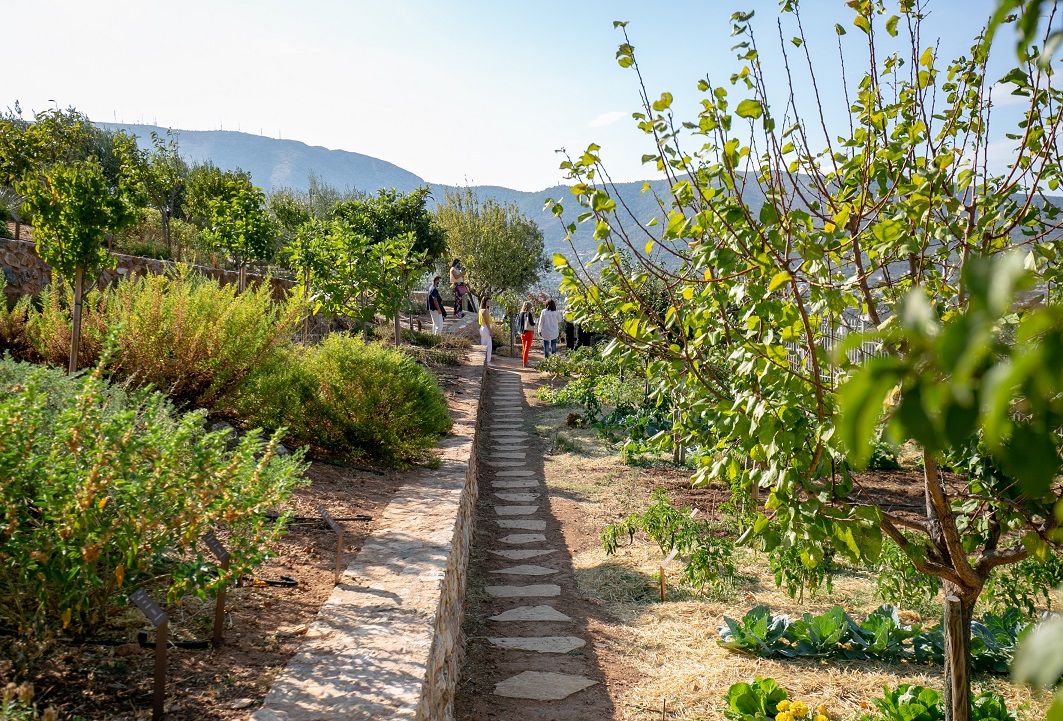
Speaker 1 00:00:10 If I was to give you to give you a tour right now, we're in the main, in the main square, in the front of a garden where there's a huge and old, uh, old tree, the garden overlooks per the native, uh, close the nearby town. Uh, so we have a fantastic view.
Speaker 2 00:00:31 You're listening to Bulgar. He's an agronomist and bio technologies and product manager of Symbio. He's an specialist in planting Medicin plants. And in the relationship with the behalfs, we invite you to a beautiful tour through Symbio garden. P thank you for your time and thank you for inviting us to this, uh, fantastic tour.
Speaker 1 00:00:55 Thank you for having me
Speaker 2 00:00:57 <laugh> where are we located now? And how will you describe the views and the surrounding of the garden?
Speaker 1 00:01:05 So, uh, right now we are located in P uh, in the Perfector OFA where close to the capital Greece, Athens mm-hmm <affirmative>, uh, landscape, um, inextricably linked to the vegetation floor and fauna OFA. The plants here have evolved to thrive in Rocky and Stoney terrain, as well as in the extreme air condition, prevailing in the area. So, uh, we have created the garden that, uh, is similar to the natural landscape. So this is our location.
Speaker 2 00:01:34 Wow, impressive. Um, I think that you feel lucky to be there every day whenever you go there, huh?
Speaker 1 00:01:41 Yeah, I surely am. <laugh>
Speaker 2 00:01:44 So try to explain a little bit for us. How is the garden organized and, and why, what is the
Speaker 1 00:01:53 Concept behind this is that, uh, the plants that we have here have evolved to thrive in the, this, uh, rocking Sony terrain, as well as the extreme dry condition prevailing in the area. So, uh, they have wrong adaptations and mechanisms, such small leaves, for example, or natural sunscreens and adaptations, so that they protect themselves from radiation mm-hmm <affirmative>. So I have taken care from the beginning since, uh, the area, since the whole area here was the garden of our founders, uh, residents to keep most of the part, uh, the, to keep, yeah, most part the natural landscape intact and, uh, include, uh, new species of Mediterranean native floor and vegetation. Okay. So, uh, the wild species were preserved and then reached with new brick species with medicinal automatic, be keeping character. Wow. So also we have, um, our haves placed at the age of the garden. Uh, we have created destinations for work, rest wander and inspiration mm-hmm <affirmative> and also lots of artworks were included in the tion of the garden. So we have, uh, uh, also new artworks and new places for also us working here in MBS, but also our, um, the visitors, uh, some school trips that have arranged, so the people can have some places to rest and experience, uh, the garden.
Speaker 2 00:03:19 Wow. Uh,
Speaker 1 00:03:21 I don't know if you wanted to tell you about some of the hers you can, uh, notice here in the, in the slope yeah. In natural presentation,
Speaker 2 00:03:28 Of course. And also, I, I will be interested in, in knowing more or less the different plants that you find from the beginning to the different, uh, tour. So what plan can you find from the beginning?
Speaker 1 00:03:43 So naturally if someone comes here, uh, the plans that he, uh, he observes is, uh, are some of the, the main herbs are time systems and Sage, uh, and the dominant tree are olive trees and wild olive trees. Mm-hmm <affirmative>, and they're complimented with small swabs and Oaks and scrubby Oaks. So in the spring also, it's worth mentioning that, uh, the impressive flower carpet that covers the whole surrounding area consisting of plant like camomile animals and, uh, wild or kids, and also in notumm, uh, like, uh, a few months, uh, before the garden was covered with sacrament in wild CRO plants. Hmm. So if I was to give you to give you a tour right now, we're in the main, in the main square, in the front of a garden where there's a huge and old, uh, old tree, uh, the garden overlooks, uh, pan, uh, the native, uh, the close and the nearby town.
Speaker 1 00:04:43 Uh, so we have a fantastic view and, uh, this garden is an official botanical, uh, garden. We have, um, it consists of four distinct areas. Mm-hmm, <affirmative> structured to utilize the little water that flows in the autumn months, uh, with special construction of underground pipelines, into collecting, collecting water. So, uh, the first area, there's a huge, there's a big road, uh, dividing the, the main garden in two parts. So the upper part consists of dry herbs and, uh, the plants that are naturally found here, um, because they do not need, they don't have a lot of needs in, uh, in water or, uh, they don't have, they're not high needs because they were naturally evolved here and they have their own adaptations mm-hmm <affirmative>. So we, we, uh, we planted more of the, of the same species in the upper parts of the garden and, uh, in the lower parts, because our garden is, uh, positioned in slope in a huge rock nearby, uh, a Rocky terrain, um, in the lower parts we planted the vegetable garden and some plants that are, that are in need of, uh, of constant, uh, watering.
Speaker 1 00:06:01 So, uh, in this way, by doing this arrangement, all the water that, um, that gathers from the rains in the, in autumn is concentrated there. And we have, uh, a continuous supply year round of fresh water for, for our plants. So this was the main idea for conserving water and at the same time having, uh, most of, most of the Greek, uh, native fauna mm-hmm <affirmative>. And, uh, so this was the main idea. Uh, so by walking in the, in the main road, uh, the first area consists of the collection of plants that symbiosis uses in its food products and natural supplements. Um, so here we find the different types of mountain tea from the mountains of Greece, where the sweet aroma reduces us in summer, where they, when they flower mm-hmm <affirmative>, uh, we also have various other dried hers like wheat or Renu fine Sage, uh, but also some non dried hers, like meat, peppermint Perin and lemon ball. So these are the plants that, uh, and other plants also, but these are the, the main plants we have for our own products right now at symbiosis for our nutritional supplements, for our, um, uh, from our healthy, uh, beverages, et cetera. Um, wow,
Speaker 2 00:07:24 Fantastic. And what about the, the, the mountain tea? What varieties, uh, do you have and how can you difference them? Are they very different or not?
Speaker 1 00:07:35 Wow. They, they surely are in Greece. We have 10 different Martiny varieties, species, and subspecies of which five are endemic to small areas of grease and do not grow anywhere else, uh, while in, in the wild. Uh, so they're all perennials and have yellow flowers. And, um, what differentiates them is, uh, the characteristic of the flower, how compact the flower is as well as us, how fluffy the leaves are because, uh, mountain tea has evolved in the, in the, in the mountain peaks. So the, the fluffiness of the, of, of the, of the parts of the plant mm-hmm <affirmative> are, are used for sun protection and also from, from, for insect protection. So they have evolved to the, to the harsh conditions of, uh, the mountain peaks. Uh, so this is, uh, you've seen them when, when you change. So we have a lot of different kinds, like the, the C mountain tee that it is, Riak also Olympus mountain tee, that it ISKA the tier of par sauce, the mountain tea of bingo and endemic species, uh, only found here in Greece, or is the, the Tica.
Speaker 1 00:08:48 Um, and also we have the thet of Cyprus mm-hmm <affirmative>, uh, the one that differentiates and stands out from the, from the others are, is the S of P status PTA because, um, it has green leaves while the others are very fluffing grays. So they're, the others are kind of similar with grays leaves, but S of pin, uh, has, uh, green, uh, loss leaves with, uh, a little bit of fur. Um, we don't know exactly why is that why it's different from the others, but it's, uh, one of the most, it has the most antioxidant properties than, uh, than the other species. So it's the most antioxidant, uh, of the other species of iron world.
Speaker 2 00:09:35 Hmm. What is your favorite mountainy plant from a personal perspective?
Speaker 1 00:09:42 From my personal perspective, uh, in my favorite, uh, I think it's the, the mountainy of creed. Mm-hmm, <affirmative>, uh, it's in Greece, we call it, uh, Kaki. It means having a good sleep. So the CREs, uh, used it traditionally for, uh, sleeping well at night as something calming and, uh, at the same time, uh, toing, because also there is plants do not have caffeine in, in the, as a substance in them. So, uh, they're naturally tonic, but without, uh, without caffeine, it's, it's one of their main advantages considering them in the, in category of teas of herbal teas. Mm-hmm <affirmative>.
Speaker 2 00:10:25 And I understood that the water is, uh, something very important to define different groups of herbs, but also you have other criteria, not only the water to make this, uh, group of plants in different parts of the, of the area mm-hmm
Speaker 1 00:10:40 <affirmative> of course, uh, the other three parts. The first parts is the, the part where we have the plants, uh, it'll be used as a company for our beverages and natural supplements. Uh, the second part, uh, is the part where we have, um, a big collection of, uh, of plants that Hippocrates used to describe, uh, as medicines and, um, as part of the healthy and balanced, uh, diet. So right now in the garden, uh, we have 185 different plant species that hip is used to describe mm-hmm <affirmative>, uh, plants that are associated with the tradition and the variety of uses in medicine, perfumery, and nutrition, and, uh, also hypocrites used them for healing, and he recommended them as a balance that as I told you, and, um, this collection grows mainly on the lower side of the main garden path in a linear arrangement in sloping, flower beds, mostly, um, mm-hmm <affirmative> um, and also the, the last, uh, have two collections to mention more. We have the collection with unique endemic species rare and threatened Greek plant species, as well as our, um, our vegetable garden with, uh, natural, uh, variety with Greek varieties of, um, with, uh, Greek varieties of, um, a lot of the plants that we use for, for foods. Additionally, we have, uh, shirts for them. We have, uh, been in contact with, uh, with people in remote areas. So a lot of the species here, uh, that you use for food in the vegetable garden are only, uh, cultivated here in Greece.
Speaker 2 00:12:25 Mm-hmm <affirmative> if, if I understood well, Reve, uh, concept generat,
Speaker 1 00:12:30 Regenerative, yes.
Speaker 2 00:12:31 Helps you to adapt to also to the local flora and fauna, and also to be more connected with the past and the future at the same time. No,
Speaker 1 00:12:42 Yes, exactly. Um, the concept of regenerative is, uh, mainly reframing how we focus on cultivating the land and how we focus on the, what kind of plants do we cultivate, where we cultivate them. And, uh, what do we expect from them, uh, here in Greece, um, and also in Spain, uh, we have harsh, uh, dry summers. Uh, so you imagine yourself that we cannot cultivate a lot of plants that are, uh, there need are in huge, but need huge, uh, amount of water to survive and sustain themselves. So, first of all, it's the water. Uh, the second aspect is which type of plants and species and subspecies we cultivate, for example, in the synthetic aspect of you in the mountain tea that we cultivate one of our main products, we cultivate the different species on the, on the different mountain slopes that ha they have evolved naturally.
Speaker 1 00:13:41 And this way we prevent hybridization between the different types, because if we, if we take the severities of creed, the Ty of creed and bring into the lyo, we will create, uh, biodiversity hazard because, uh, let's the, the Ty of creed, we infuse with the, with the ity of limbo. And so we have problems, uh, with the natural, um, with the natural groups of, uh, synthetic of O limbus. So we only cultivate the specific plant species in the areas where they grow naturally. So this way we also prevent, uh, hybridization, but also we have, uh, we get the best of the, the natural characteristics of the plant. So if cultivate the, for limbo at only bus like we do right now, uh, we get the best characteristics and the type we want from the natural, um, ecosystem of the plant. And also we, we preserve our energy uses and, um, we use less to create the perfect conditions for a plant to, so we, we only plant the, the plants and, um, help them grow natural really their first years.
Speaker 1 00:14:58 And then we need, uh, very few, um, do very few things in the, in the cultivation. So it goes by itself, like, uh, like we say, here in Greece, so we do not need to do anything else. Mm-hmm <affirmative>, uh, as part of the regenerative protocols that we're using right now, we also create, um, we, we, 15% is left and cultivated, so we do not cultivate 15% of the land. So this way, uh, we ensure that natural by biodiversity has a space to grow naturally. Also the microbes, the beneficial microbes, like, uh, micro and, uh, beneficial bacteria has space to grow there naturally. And they help the process of, uh, of cultivation. Uh, also they prevent diseases because, uh, at the same space they grow also the, the pathogen microbes also used to grow. So if natural, if we leave, uh, the natural populations of, uh, the beneficial microbes growing there, um, we prevent a lot of the diseases that other people are, uh, that, that affect, uh, the cultivations, if they're cultivated elsewhere, if trans are cultivated elsewhere. Um, wow. And, uh, yeah, I'm closing. Yeah. I'm closing here. No, don't worry.
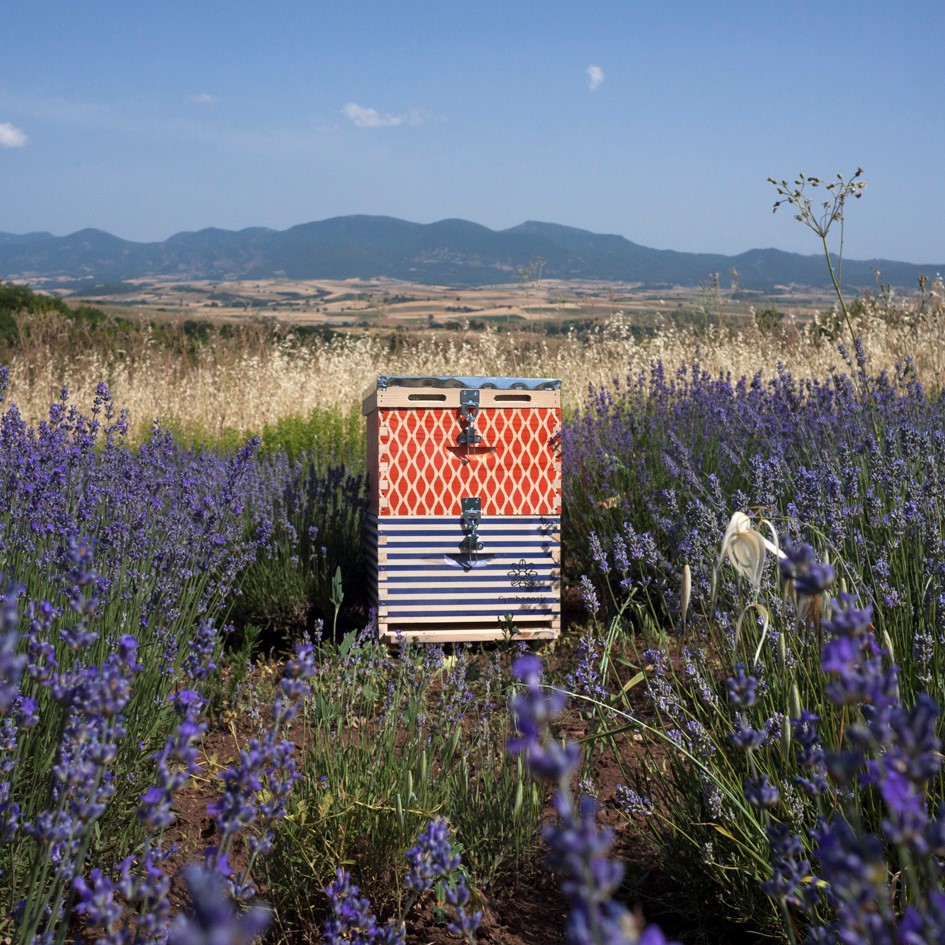
Speaker 1 00:16:23 I only wanted to mention about, uh, our, our pollinators mm-hmm <affirmative> because, uh, we are trying to, uh, add to our protocols, our beehives and create natural spaces where, where pollinators also also wide pollinators, like the solitary bees, because, uh, we are used of the, of big eating, like, like the be that are always, that are always in colonies, but that's not, that's not true nature because bees are, can also be found in, uh, solitary forms, like living on their own, having their own dense and raising their own young in small numbers. Um, so we want to, to enrich by diversity and make spaces for, uh, native, uh, insects, beneficial insects to come to our field help with, uh, with pollinating the plants and also creating, uh, probably unique products, uh, this way. Uh, and also we ensure that, uh, our hives are placed there at specific times of the year, for example, where the mountainy of Olympus blooms at the, the last months of summer in August, probably most of the times.
Speaker 1 00:17:37 So we place our hives there and maybe we can create, um, amazing new products like honey with, uh, coming from, uh, Martin tea with an amazing, uh, taste mm-hmm <affirmative>, uh, for example. So we are, we are trying to, to imitate nature and, uh, trying to create natural processes, but at the same time, creating unique products and then reaching biodiversity, this is our concept of regenerating agriculture and here in the garden, we also, we are also doing this. We have local species, we consume, we conserve water. Uh, we conserve, uh, resources. Uh, we, we also use plants for conserving water in the place, in the areas where there are, we have no cultivations. So we do not, uh, leave the soil without end cultivation whole year round, because, uh, if you leave the soil, uh, with no, with no plants on it, um, the radiation, uh, year by year goes, and it does it certificates it, so it, it creates it's.
Speaker 1 00:18:42 Yeah, it like desert, it becomes sun in the end. So we need to cultivate year round, uh, different species. And, uh, that's what we are doing here in the garden. Um, you will, you will notice it in the, in the lower part in our vegetable garden, but we have, uh, a lot of different cultivations from, uh, all over Greece with different needs. And, uh, we use herbs, uh, to prevent insects from, uh, from eating and destroying our cultivations. Uh, we use compost, everything that we, that we get from the, from, from the trees that grow in our garden, but also in the, the olive Grove, uh, in our neighbors, olive Grove, we take it here and, um, we, we cut it in small pieces and then we introduce it to the chain, creating compost and naturally, and, um, preserving water and helping the whole chain.
Speaker 1 00:19:42 And, uh, yeah, that's what we do here in the regenerative aspect. It's something beyond organic it's, um, adding value to the whole chain. And at the same time, getting unique, uh, products, helping the environment and having fun because all of us here, uh, we try to take, uh, our colleagues outside because not all of us are agronomists and they are not used to cultivating the land or, uh, going outside. So we try to take them out, uh, having fun, trying to make new products, uh, play with different plants, smell them. So, uh, it's also a way of having fun and relax here in the, at the CBIS garden. Mm-hmm
Speaker 2 00:20:26 <affirmative> Paris is, uh, very clear that you are in love with, with your planet. <laugh> how did you start in this activity? How did you start being in love with plants?
Speaker 1 00:20:38 How did I start being in love with plants? Uh, I fell in love with thin insects first mm-hmm <affirmative>. I think that was my first, uh, love. And then I fell in love plants because I realized, uh, the interactions between insect and insect and plants, uh, from when I was very young, I used to, to go mountain climbing. So I noticed a lot of different, uh, insects on the slopes and the crevices. And, um, from there on, I, I, I, I, I studied as an agronomist, of course. Uh, I love the insects. I, I always wanted to learn more about them. And, uh, then I realized, uh, the relationships between the different plants and how they communicate with the insects, how they prevent, uh, the insects in the, from taking, uh, from meeting them, for example, or doing something like that, doing something like that.
Speaker 1 00:21:34 And, um, this way I realized the amazing, uh, how, how the plant kingdom is really, was really amazing because, uh, they're really silent, but they have created a lot of different adaptations, a lot of different, unique adaptations we cannot see. And so a different whole world opened up for me, uh, totally different from the instinct world, because in the instinct world is also pretty amazing. But combining the two, uh, I think I, I got the really big picture of, uh, how can we, how small things work that we do not notice because our lives are in a fast pace, they work slower. Uh, they have their own way of, uh, communicating the wrong way of, uh, battling each other because they're in a constant, uh, battle for survival, a slower, one more silent. And, uh, I really enjoyed the love, hear loving, hearing their stories, um, watching documentaries about them, um, going outside also in the garden of Symbio.
Speaker 1 00:22:38 I was also really lucky having, uh, Ms. Valana to, with me, our botanist. She knows, uh, a lot of things about the, what we're doing here. She created the garden, the botanical garden that you saw. Uh, so I think I'm really blessed, uh, working with here and getting to know a lot of the plants, cause we also tour all over Greece for our cultivations and, uh, it's amazing. Um, um, the plants that we're washing together, the plants that we are gathering for the gardens, some of them we garden for trips. Uh, so yeah, that's how I fell in love with plants. <affirmative>
Speaker 2 00:23:14 You are talking about, uh, real symbiosis, well, the combination of, uh, insects and plans. Can you describe a little bit the relationship between the garden and the bees and the beehives there in the garden?
Speaker 1 00:23:30 Of course. Uh, so, um, when we chose the plants for the garden, um, we chose also plants that are reaching nectar and the, the bees, um, of course nectar is their main source for feeding, nectar and Poland. So we chose specific plants with the properties that, um, uh, that the bees are were needed. So the, our bees love the plant that we chose for them here in the garden. Um, they also, uh, enjoy very much our pond. We have a small pond nearby our vegetable garden. It's a natural, um, it's a natural pond with, uh, aquatic plants from Greece and, uh, the bees visit the pond, uh, each and every day and gather water because also water is, uh, um, the precious source for creating honey and sustain the hive. Uh, so in spite, we put nearby the hives, we have put, uh, places for, for water.
Speaker 1 00:24:31 They choose they, they, they still choose our pond and, uh, in their way to the pond, they pass through all of our plants in the garden. And, uh, we notice a lot of them wasting the plants, not only pollinating, but gathering resources, uh, like reading because also another, another high product is properly. And, uh, naturally the be gather from, uh, from the leaves and the stems of the plants, small, um, vascular, uh, hairs, like to, to about it, like simply as they can. And they bring them back to the hive and they create, uh, a very special substance that is properly, which is, uh, a substance that protects them from its under microbial. And they use them to, to insulate the high from inside, from inside out. So I think, uh, we have created an amazing relationship for the bees and the plants that we chose here in the garden. And, uh, we are trying to do it even more. We are trying to plant also trees that the bees like, um, and, uh, and other type of plants that we, that we notice that are helper for their health probably, or for their nutrition. So we trying to create a symbiotic relationship even to take, uh, a step further and, uh, and reach our diversity of, uh, plants of the bees and enjoy visiting
Speaker 2 00:26:01 Mm-hmm <affirmative> what, what kind of, uh, trees bees like,
Speaker 1 00:26:07 Um, during the family of PNU, uh, Al trees are one of them cherry trees, uh, because they're in full blue most of the times. And, uh, also the types, these are the main types that, uh, we, that we use for, for our cultivations, for example, um, we, they have a lot of Greek names, the, the, be the plants of the bees, like except from, uh, the trees and the char trees, also peaches, opera coats. A lot of the plants that we use for cultivations are also really enjoyed by bees mm-hmm <affirmative>. And, uh, yeah, I think that's the main reason why in the, in the us, they bring the hives and they, they pay the beekeepers to, to bring the hives to, to their cultivation of all trees, for example, because otherwise they will not get, uh, any production. So the bees enjoy, uh, a lot of flowering <laugh> periods wow. From the trees.
Speaker 2 00:27:06 Well, first we talk about the mountain tea varieties. Mm-hmm <affirmative>, but, uh, let's talk a little bit about the herbs, uh, any of them that you really like, the description of how it is the smell and how it's, uh, flavor and any of the properties
Speaker 1 00:27:23 Mm-hmm <affirmative>. Uh, my personal favorite from the herbs is net. And, uh, it is known from the ancient, uh, times as the rating can Reju and rejuvenating, uh, because it removes toxins from the body. And, uh, in fact, according to the European medicine agency, uh, net officially, uh, considering traditional her bowel medicine, both for its theoretical properties and for the relief of mild joint pain and the treatment of, um, of dermatitis. So, uh, it's used in some PS, it is also used as an extract and, uh, the young suits of net, uh, they're written vitamin and minerals, and they can beat, uh, as a salad or cooked, uh, and be created. And, uh, like in cook, like spinach, we, uh, here grease, we use them, uh, very often in pies in, um, so it's a really, it's really amazing curve. Also hypocrites describe the net with the same properties. And it's a really unique plant, but not a lot of us here in Greece is accustomed to drinking because we have it in a beverage, uh, form here en symb mm-hmm <affirmative>. So it's a, it's a unique product, and I totally recommend it.
Speaker 2 00:28:42 You also have a kind of Arin, uh, which a concept behind there in the design of, of the park. How would you describe a little bit?
Speaker 1 00:28:51 Yes. Uh, so, um, in the main road, when, uh, when the road finishes at the end, we have the labyrinth and, uh, entering the labyrinth means looking for your deepest self. So you have to be focused. And that's why we made it of Rosemary and here linked with brain health. And, uh, in times it was linked with a spirit. Uh, we'll also create a product with, uh, with Rosemary and the Ginko. Uh, it's a product for brain health and natural supplement. So we have the lab there to remind us to stay focused and, um, create new ideas. That's where we go. We want to, uh, to create new products. For example, our founders always visit the lamb. Mm-hmm
Speaker 2 00:29:40 <affirmative> what are, what are your tea habits? When do you take tea? What, what kind of tea you take?
Speaker 1 00:29:46 Uh, Hmm. My tea habits. Uh, the last year that I worked for symbiosis is, uh, having, uh, mountain tea, uh, either the, the CIN mountain tea or the mountain tea for limbus, uh, in the morning when I come to work, uh, in the afternoon, I usually drink, uh, dicta after, after, after, after my meal, I eat dicta. It's, uh, also an endemic plant of creed. And, um, it's a product, uh, that has benefits for, uh, also the vascular system. It's, uh, it prevents, uh, cold and, uh, helps the stomach. So that's, uh, why I prefer it. Mm-hmm <affirmative> and maybe in the afternoon I drink a KA mile, which is really calming. And, uh, yeah, I, I just love the taste, I it's owner with this of honey, for example.
Speaker 2 00:30:44 Well, thank you for your wonderful introduction to the garden of sys. Uh, I think it's your Kama mile time then now.
Speaker 1 00:30:54 Yeah. <laugh>
Speaker 2 00:30:55 Okay. So thanks. It is. Thank you for your time. And hopefully in the future, we can have time also for another visit.
Speaker 1 00:31:05 It was my pleasure. Uh, of course you can come again, anytime you like. And it will be, I will be very happy, uh, going out together in the garden and washing different plants and tasting and, uh, smelling, uh, different smells there in the garden.
Speaker 2 00:31:21 That's it. Thank you very much.
Speaker 1 00:31:24 It was my pleasure. Thank.